What Is Conversation Intelligence? And What It Was Built to Assume
The whole category assumes that reviewing calls changes behavior. That assumption is thinner than it looks.

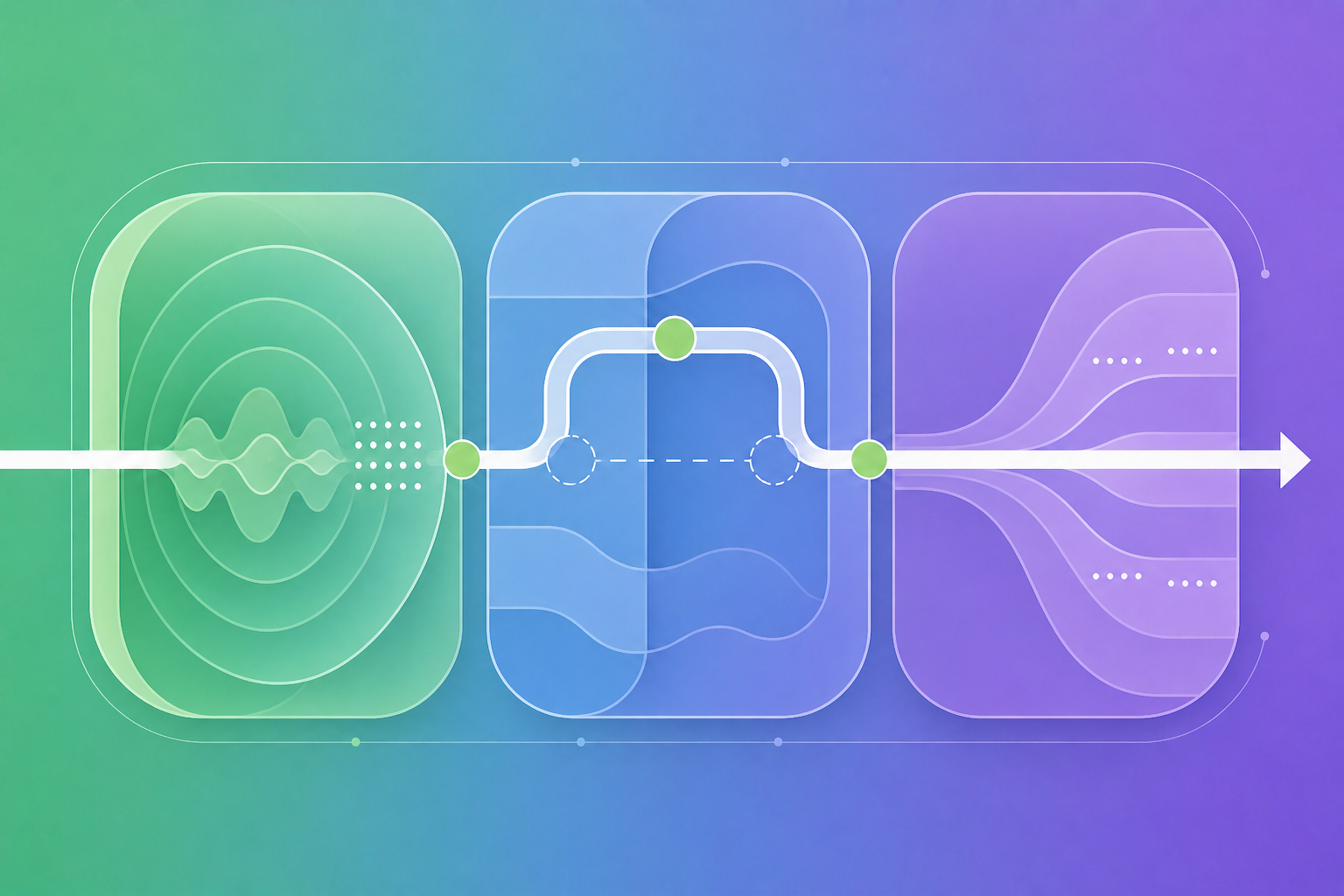
Conversation intelligence is the category that records your sales calls, transcribes them, analyzes what was said, and hands a leader something to coach from.
It is a genuinely useful category and a large one. It is also built on a premise that has never been tested very hard: that if you capture and analyze conversations after they happen, behavior changes. Everything in the category follows from that premise. The call library, the scorecards, the talk-ratio dashboard, the weekly review ritual.
The most interesting evidence against the premise came this year from the category leader. Gong started shipping roleplay.
What is conversation intelligence?
Conversation intelligence is software that captures sales calls and meetings, produces a transcript, identifies who spoke and about what, and generates structured output such as summaries, topic tracking, next steps, coaching scorecards and deal risk signals. It sits between the meeting and the CRM, and its primary buyer is a sales leader rather than a rep.
The term covers a spectrum. At one end sit revenue platforms that treat call data as one input into forecasting and deal inspection. At the other sit notetakers that transcribe and summarize and stop there. We pulled that distinction apart properly in WingRep vs. notetakers, because buyers conflate the two constantly and the price gap is roughly tenfold.
How does conversation intelligence work?
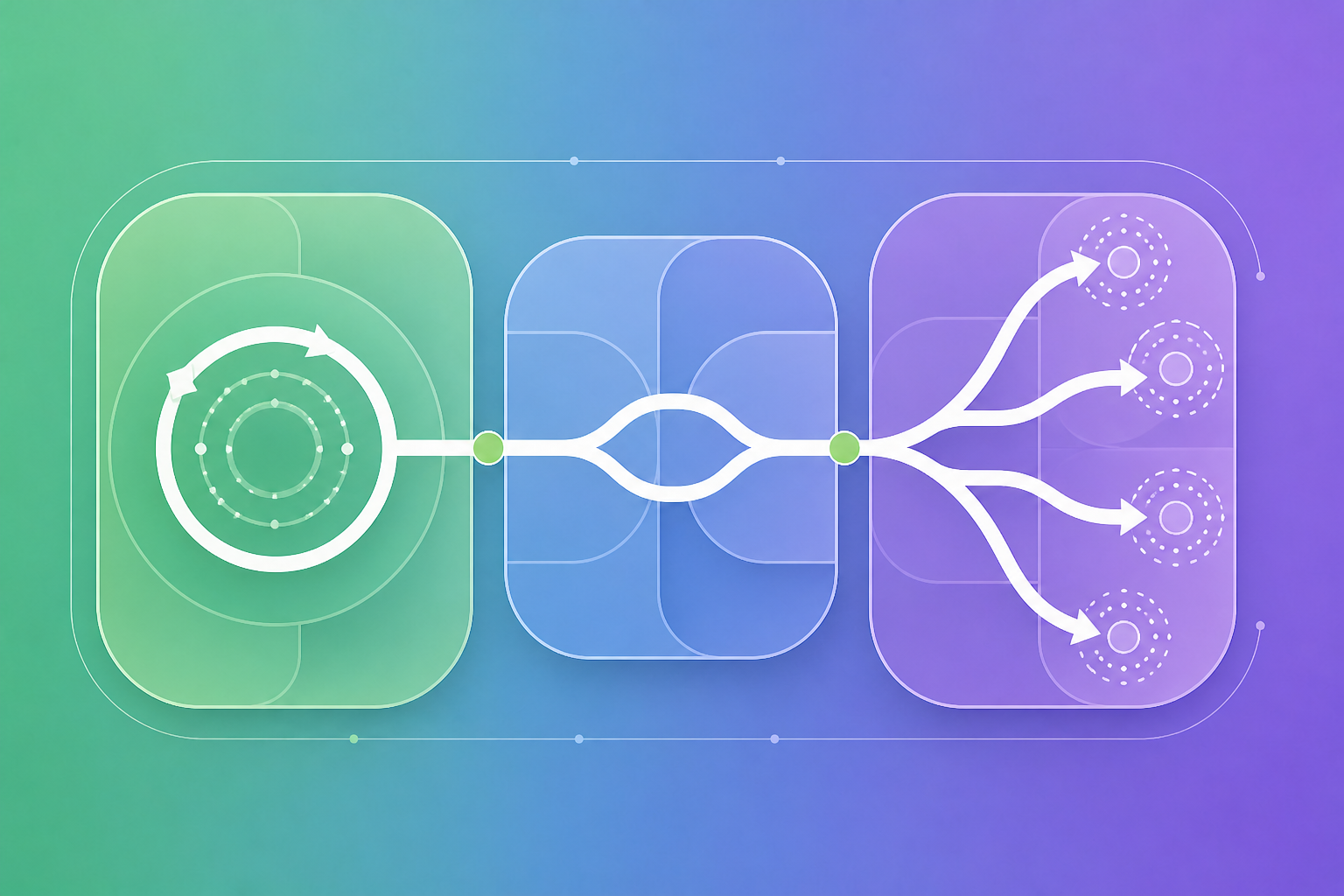
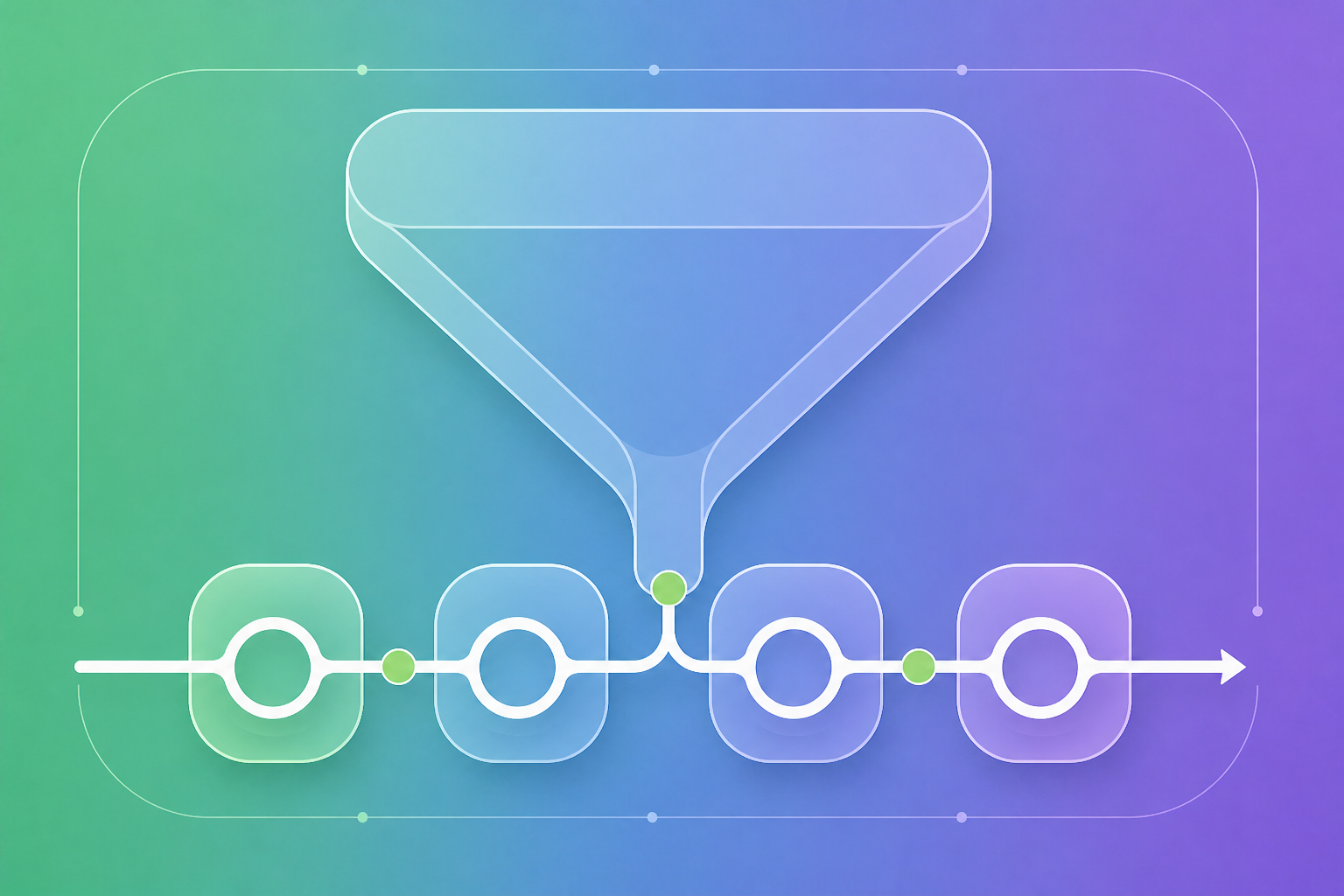
Four steps. The tool joins or records the meeting, transcribes the audio and separates speakers, runs analysis over the transcript, and pushes structured results somewhere a human will see them. Everything vendors compete on lives in the third and fourth steps, because transcription itself has been close to a commodity for several years.
Capture. Either a bot joins the meeting as a participant, or the tool integrates directly with the conferencing platform or dialer. Bot-based capture is more universal and more visible to the buyer on the other side. Native integration is quieter and depends on which platforms are supported.
Transcription and diarization. Turning audio into text, then working out who said which part. Diarization is where quality still varies, particularly on conference room audio with several people around one microphone.
Analysis. Topic and keyword tracking, talk-to-listen ratio, question counts, competitor mentions, pricing mentions, sentiment, next-step detection, and scoring against a methodology like MEDDICC or SPICED. This is the part sold as intelligence.
Delivery. Summaries into the CRM, alerts to a manager, dashboards, and a searchable library of calls.
Most of the metrics in step three are correlational and get treated as causal. Talk ratio is the clearest example. Top performers often talk less on discovery calls, which is a real pattern in call data, and it does not follow that coaching a struggling rep to talk less will make them a top performer. They may talk less and still not know what to ask.
Who are the main conversation intelligence vendors?
Six names carry most of the category, and they split into revenue platforms and notetakers with analysis attached. The table below is capability only. Current published prices for all of them live in one place, on Gong alternatives, so there is a single page to keep accurate.
| Tool | What it is |
|---|---|
| Gong | Revenue AI platform, deal inspection, forecasting, enablement |
| ZoomInfo Chorus | Conversation intelligence inside ZoomInfo |
| Clari Copilot | Real-time call assist inside Clari, formerly Wingman |
| Avoma | Meeting assistant plus AI call scoring |
| Fireflies.ai | Transcription plus conversation intelligence |
| Fathom | AI notetaker, adds scorecards on higher tiers |
Two pieces of category history worth having straight. ZoomInfo acquired Chorus in July 2021 for a reported $575M, a figure that comes from secondary coverage rather than a filing. Clari acquired Wingman on June 15, 2022 and later renamed it Clari Copilot, with no press release marking the rename. Clari and Salesloft then merged, completing December 3, 2025.
The fuller version of the competitive picture, including the roleplay-native vendors, is on Gong alternatives.
What does conversation intelligence not do?
It does not make anyone better on its own. It produces a record and an analysis, and the change in behavior has to come from a human deciding to do something different next time. That step is where most implementations quietly stop, and the usual symptom is a call library with thousands of recordings and single-digit weekly views.
There are two research findings worth putting against the category's core premise.
The first is about coaching. Jones, Woods and Guillaume (2016) found workplace coaching produced δ = 0.36 on organizational outcomes, which is a real but moderate effect, and their analysis rests on seventeen studies and explicitly excludes manager-to-subordinate coaching. Sales coaching is almost entirely manager-to-subordinate. So the best evidence for the mechanism this category depends on does not actually cover the setting it is sold into. We went through more of that evidence base in coaching field reps at scale.
The second is about feedback, and it is sharper. Kluger and DeNisi (1996) is a widely cited 1996 meta-analysis of feedback interventions, which we have not verified against the original. The qualitative finding is that feedback helped performance on average, and that a substantial share of the interventions studied made performance worse. Their explanation was that feedback pointed at the task helps and feedback pointed at the self hurts.
A dashboard that tells a rep their talk ratio was 68% and the team average is 52% is, in that framework, a number about them. Whether it lands as task feedback or as self feedback depends entirely on the manager delivering it, which is the variable no software controls.
None of this means conversation intelligence is a bad purchase. It means the software is the easy half. The category sells a recording system and prices it as a behavior change system.
Why did Gong start shipping roleplay?
Because analysis after the call was not enough on its own, and the market leader has now built the thing that happens before the call instead. Gong launched AI Trainer on February 25, 2026 in a release it called Mission Andromeda, inside a new product line called Gong Enable, where reps rehearse against AI-generated simulations.
Then on June 24, 2026, in Mission Big Dipper, it announced Dry Run, which spins up a roleplay directly from a calendar invite with a buyer persona built from real account context. GA was expected in July 2026. AI Coach reached general availability in June 2026.
Read that as the category conceding a point it spent a decade avoiding. If reviewing recorded calls reliably changed behavior, the company with the largest call archive would not need to build a practice product.
We would not overstate it. Gong is a large company adding adjacent products, and there are commercial reasons to enter enablement that have nothing to do with epistemics. But the direction of travel is toward the moment before the call, not toward better analysis of the moment after, and every serious player in this category is moving the same way.
Gong disclosed on May 12, 2026 that ARR had passed $500M and was growing more than 55% year over year, so this is not a company changing direction out of weakness.
Is conversation intelligence worth buying?
For a team with the management capacity to act on what it produces, yes. For a team without that capacity, it becomes an expensive archive. The deciding variable sits outside the feature list entirely: whether a named person has weekly time blocked to review calls and coach from them, and whether reps see any consequence from it.
Some honest signals for each side.
Buy it if: you have more than a handful of reps, managers who already run one-to-ones with call review in them, a methodology you want scored consistently, or a forecast you cannot currently defend. Also buy it if you need the deal-level rollups, because notetakers do not do those.
Do not buy it yet if: your team is under five people, nobody has time to watch calls, or the actual problem is that reps arrive at meetings unprepared. The last one is common and conversation intelligence is a bad fit for it, because it addresses the wrong end of the call.
Buy the cheap version if: what you want is recordings, transcripts and notes in the CRM. That is a $10 to $39 problem, not a quote-only one. See WingRep vs notetakers for that comparison.
Where does WingRep fit?
WingRep is not conversation intelligence, and we would rather say that than blur the category to look larger. Conversation intelligence works on the call after it ends. WingRep works on the call before it starts, during it, and on what has to happen afterward: prep the rep on the account and the people, assist live in the conversation, then write the follow-up.
That is a position, and this post is the argument for it. If the evidence that after-the-fact review changes behavior were strong, building at the other end of the call would be a strange decision. We think the moment a rep can actually be helped is the moment they are in the conversation, and the moment they can be prepared is before it. The other half of that decision is who the software is for, since a recording layer answers to a dashboard and a rep gets nothing out of it.
We also do not think you need to remove your recording layer to try that. WingRep runs alongside it, and the Gong integration exists for exactly that reason. If you are running the comparison properly, WingRep vs. Gong is the direct version.
Our per-seat price is published on our pricing page, or you can see how WingRep works on a live call.
Common questions
What is conversation intelligence software?
Software that records sales calls, transcribes them, analyzes the content, and produces summaries, coaching scorecards and deal signals for sales leaders. Gong, ZoomInfo Chorus and Clari Copilot are the platform-tier examples. Avoma, Fireflies and Fathom offer lighter versions at published prices.
What is the difference between conversation intelligence and revenue intelligence?
Conversation intelligence analyzes what was said in meetings. Revenue intelligence takes that plus CRM data, email and calendar activity to produce deal and forecast views. Most platform vendors now sell both, which is why the terms are used interchangeably in marketing even though they describe different scopes.
Does conversation intelligence improve sales performance?
There is no strong published evidence either way for the software specifically. The mechanism it depends on, coaching, produces small to moderate effects in the general workplace literature, and the best meta-analysis on that excludes manager-to-subordinate coaching. Outcomes depend heavily on whether managers act on what the tool surfaces.
Is an AI notetaker the same as conversation intelligence?
No. A notetaker records and summarizes for the person who bought it. Conversation intelligence analyzes across a team so a leader can compare, score and coach. The features overlap; the buyer, the budget and the definition of success do not.
Does Gong do AI roleplay now?
Yes. Gong launched AI Trainer on February 25, 2026 inside Gong Enable, and announced Dry Run on June 24, 2026, which generates a roleplay from a calendar invite using real account context. AI Coach reached general availability in June 2026. Comparisons written before spring 2026 say otherwise and are out of date.
Sources
- Gong, Mission Andromeda press release (AI Trainer, February 25, 2026): gong.io
- Gong, Mission Big Dipper press release (Dry Run and AI Coach, June 24, 2026): gong.io
- Gong, ARR update (May 12, 2026): gong.io
- ZoomInfo Chorus product page: zoominfo.com
- Clari Copilot: clari.com
- Avoma pricing: avoma.com
- Fireflies.ai pricing: fireflies.ai
- Fathom pricing: fathom.ai
- Jones, Woods & Guillaume (2016), workplace coaching meta-analysis, JOOP: doi.org
- Kluger & DeNisi (1996), "The effects of feedback interventions on performance," Psychological Bulletin: doi.org
WingRep is the AI sales performance team that puts this into practice on real calls: it preps the rep beforehand, nudges them live when the hard question lands, and writes the CRM update and follow-up afterwards.