How to get reps to actually use your sales playbook on calls
Playbooks fail on the call, not in the document. Make yours short, findable in two seconds, and checked after every call.

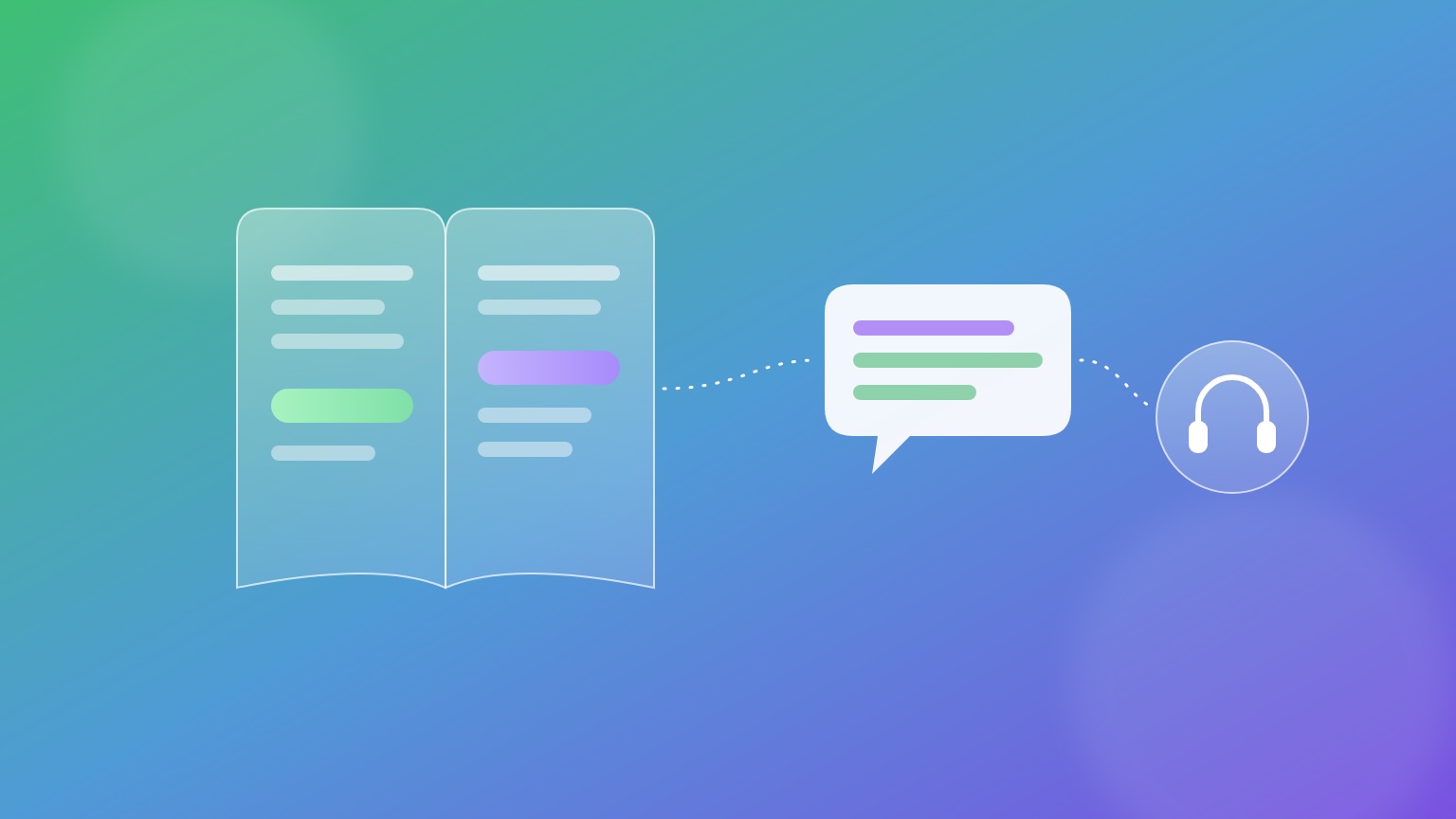
Short answer: reps use a playbook when it's short, written for the moment they're in, and available in the seconds they need it. Cut it down to the plays that decide calls (the opener, the qualifying questions, the top objections and the ask), write each play as a few lines a rep can say out loud, and put those lines where reps already look during calls. Then review calls against the playbook every week, so it stays used and stays current.
Most playbooks are written to be read, not used. They're thorough, well organized and forty pages long. On a call, a rep has about two seconds to find an answer before the silence gets awkward, and a forty-page document can't help in two seconds.
Step 1: Find out why it isn't used
Ask your reps, and listen to a few calls. The reasons are usually some mix of these, and each needs a different fix:
| Why reps skip it | The fix |
|---|---|
| Too long to use mid-call | One page per call type (step 2) |
| Written in general terms | Plays as "when they say X, say Y" (step 3) |
| Doesn't match what buyers actually say | Build it from real calls (step 4) |
| Can't find the right part during the call | Put it where reps look (step 5) |
| Nobody checks | Review calls against it (step 6) |
| Out of date | One owner and a monthly review (step 7) |
Step 2: Cut it to one page per call type
Split the playbook into the part reps use on calls and the part they read to prepare. The on-call part covers one call type per page (a first call, a callback, a demo booking): the goal of the call, the opener, the qualifying questions, the top objections with answers, and the ask. Persona research, product detail and competitive background go in a separate reference document.
Step 3: Write each play as a trigger and a line
A play that says "handle price objections by reframing value" doesn't help anyone mid-call. A play that a rep can say does. Write each one in three parts:
- When the buyer says: "That's more than we budgeted."
- Say: "Understood. Which part of the budget would this come out of?"
- Then ask: "If the numbers worked, is this something you'd want to start this quarter?"
Two or three lines per play is the right size. If a rep can't read it at a glance while the buyer is still talking, shorten it.
Step 4: Build it from calls that worked
The best source for plays is your own recorded calls. Find calls where a rep handled an objection well and the call moved forward, and lift the exact wording. Reps trust lines they've heard a colleague use successfully far more than lines written in a planning session, and those lines already match how your buyers talk.
Step 5: Put the playbook where reps look during calls
A playbook in a shared drive is a playbook nobody opens mid-call. Options, from simplest to most involved:
- A printed one-pager of the top objections beside each screen.
- A pinned window or the script panel in your dialer.
- An in-call guidance tool that follows the conversation and shows the right play when the trigger comes up, so the rep doesn't have to look for it.
Step 6: Review calls against the playbook every week
Pick the plays that matter most and check whether reps used them: did they ask the qualifying questions, use the approved answer when the objection came up, make the ask? Score a sample of calls per rep, or let call analysis score all of them. Share wins in team meetings: a clip of a rep using a play and booking the meeting does more for adoption than any reminder.
Practice also helps. A few minutes of objection drills before a shift, using the playbook's exact lines, gets the words into reps' mouths before a buyer is on the line.
Step 7: Keep it current
Give the playbook one named owner and review it monthly. Retire plays that calls show aren't working, add answers for objections that keep coming up, and tell the team what changed. A playbook that never changes is one reps learn to ignore.
Where WingRep fits
WingRep turns step 5 from a document into guidance. You load your playbook, and during the call WingRep follows the conversation and shows the rep the right play when the buyer raises the trigger, a headline they can take in at a glance. After the call, it analyzes how the rep handled the moments your playbook covers, which gives you step 6 without a manager listening to every call.
WingRep works on video calls in Zoom, Google Meet and Microsoft Teams, and the desktop app on Mac and Windows works alongside whichever dialer a phone team already uses. Bringing your own playbook and framework comes with the Pro plan; see pricing and how in-call guidance works.
More phone sales guides
- How to get appointment setters to follow the script on every call
- How to close the gap between your best and worst appointment setters
- How one sales manager can coach 20 phone reps without listening to every call
- Outbound call script templates: the first call, the gatekeeper and the callback
Common questions
Why don't sales reps use the playbook?
Usually because it's too long to use mid-call, written in general terms instead of the words buyers actually say, hard to find while the buyer is talking, out of date, or never checked. Each of those has a different fix, so ask reps which one applies before rewriting anything.
How long should a sales playbook be?
The part reps use on calls should fit on one page per call type: the opener, the qualifying questions, the top objections with answers, and the ask. Keep background material, persona research and product detail in a separate reference document.
What should a sales playbook include?
For each call type: the goal of the call, the opener, the qualifying questions, the objections reps hear most with an approved answer for each, the ask, and what happens after the call. Write each play as 'when the buyer says X, say Y, then ask Z'.
How do you measure sales playbook adoption?
Score calls against the playbook: did the rep ask the qualifying questions, use the approved answer when the objection came up, make the ask. Track that per rep next to outcomes, so you see both who uses the playbook and whether the plays work.
How often should you update a sales playbook?
Whenever calls show a play isn't working or a new objection keeps coming up. A monthly review with one named owner keeps it current without turning every week into a rewrite.
WingRep is the AI sales performance team that puts this into practice on real calls: it preps the rep beforehand, nudges them live when the hard question lands, and writes the CRM update and follow-up afterwards.